

Why More South Africans Are Starting
to Ask for Proof Before Buying Electrical Products
Not long ago, buying an electrical product was simple.
You compared price.
You chose something that looked right.
And you trusted it would do the job.
That still happens. But it’s starting to change.
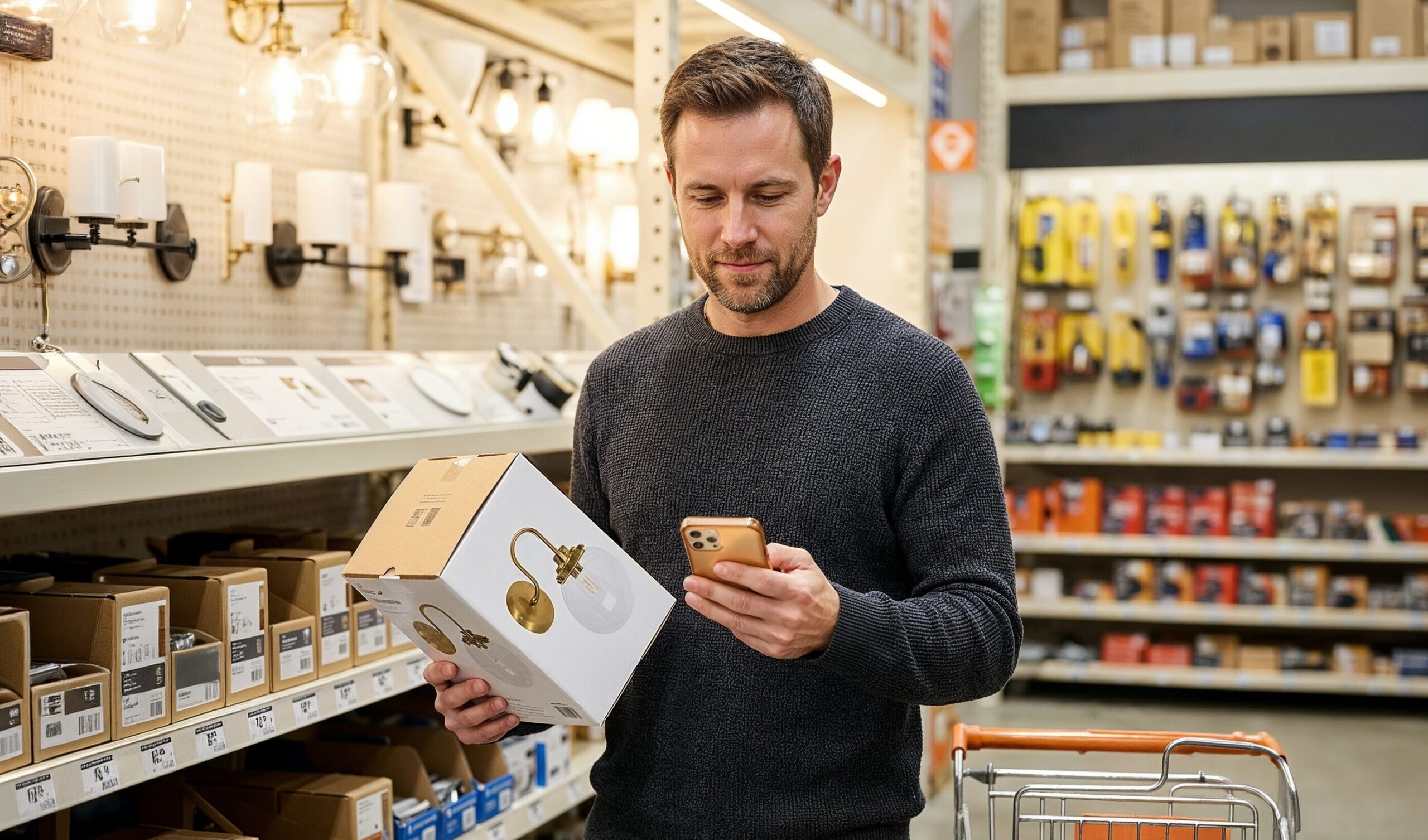
More South Africans are pausing before they buy. Not because they’ve become technical experts, but because something doesn’t quite feel as certain as it used to.
And that shift often comes down to one question:
Is there proof behind this product?
Why This Matters More Than It Used To
Electrical products are no longer occasional purchases.
They’ve become essential.
Inverters, extension leads, multi-plugs, generators, backup systems – they’re used daily, often under pressure, and expected to perform reliably over long periods.
At the same time, the market has become harder to navigate.
Not every product is tested the same way.
Not every supplier follows the same standards.
And the difference isn’t obvious on the shelf.
So the decision has quietly become more important – and more complex.
The Problem With Assumption
For years, most people relied on instinct.
If it came from a known retailer, it felt safe.
If it looked well-made, it felt reliable.
If it was priced reasonably, it felt like a fair choice.
But electrical products don’t always reward that kind of thinking.
Safety and compliance are not things you can reliably judge by appearance. And in a market where standards aren’t always visible, assumption becomes a risk.
That’s why behaviour is starting to shift.
A Simple Shift
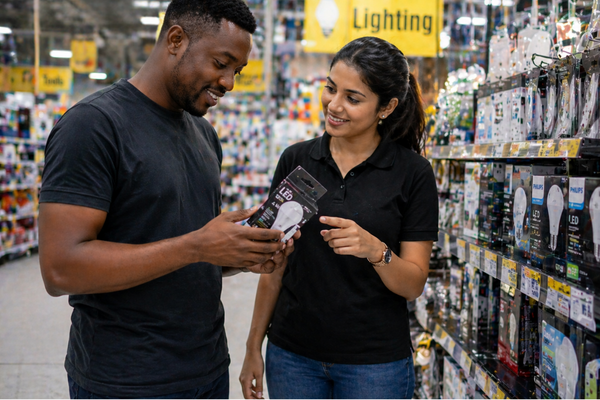
People aren’t suddenly doing deep research or reading technical specifications. They’re just doing something small, but meaningful. They’re checking. That might look like:
It’s not complicated. But it changes the decision.
Instead of relying on what a product seems to be, people start looking for what can be confirmed.
Where Safehouse Comes In
As more consumers look for proof, the challenge becomes knowing where to find it.
That’s where Safehouse plays a role.
Safehouse is a non-profit organisation made up of electrical industry experts and businesses committed to compliance, accountability, and safer products in the South African market.
It provides a clear way to move from uncertainty to verification.
This matters, because not every compliant product will always carry the mark on packaging. But if the brand is a Safehouse member, there is full accountability and commitment to compliance.
It removes the need to guess.
What This Means for the Market
This shift in behaviour doesn’t just affect individual purchases.
It starts to influence the entire market.
When more consumers look for proof:
Over time, expectation replaces assumption.
A Better Way to Choose
You don’t need to understand technical standards to make better decisions.
But you do need a way to verify what you’re buying.
That’s the shift we’re seeing.
From:
“I think this is fine.”
To:
“I can confirm this is compliant.”
It’s a small change. But it leads to more confident choices.
Final Thought
The way South Africans buy electrical products is evolving.
Not dramatically. Not all at once. But steadily.
And it starts with a simple habit:
Look for proof.
Look for the Safehouse Mark where it’s visible.
If it’s not, check to see if the brand is in the Safehouse Member Directory.
Because safer homes and businesses don’t come from assumption.
They come from informed choices.
The Safehouse Mark is the highest electrical safety standards.
Members commit to random testing, self-regulation, and unwavering safety standards