


How to Choose Safe Electrical Products
in South Africa
When it comes to electrical products, most people rely on a simple assumption:
If it’s on the shelf, it must be safe.
Unfortunately, that’s not always true.
In South Africa, many electrical products look identical, carry familiar branding, and are sold through everyday retail channels. But behind that, not all of them have been properly tested or meet the required compliance standards, and it’s often impossible to tell the difference at a glance.
The good news is that you don’t need to be an electrician to make safer choices. A few simple checks can help you choose electrical products with far more confidence.
Risks of unsafe electrical products
Unlike many other household purchases, electrical products carry risks that aren’t always visible.
A plug, appliance, or fitting may look perfectly normal on the outside, but issues like poor-quality materials, incorrect wiring, or missing safety features can lead to serious problems over time.
That doesn’t mean every product is unsafe. But it does mean that choosing carefully matters.
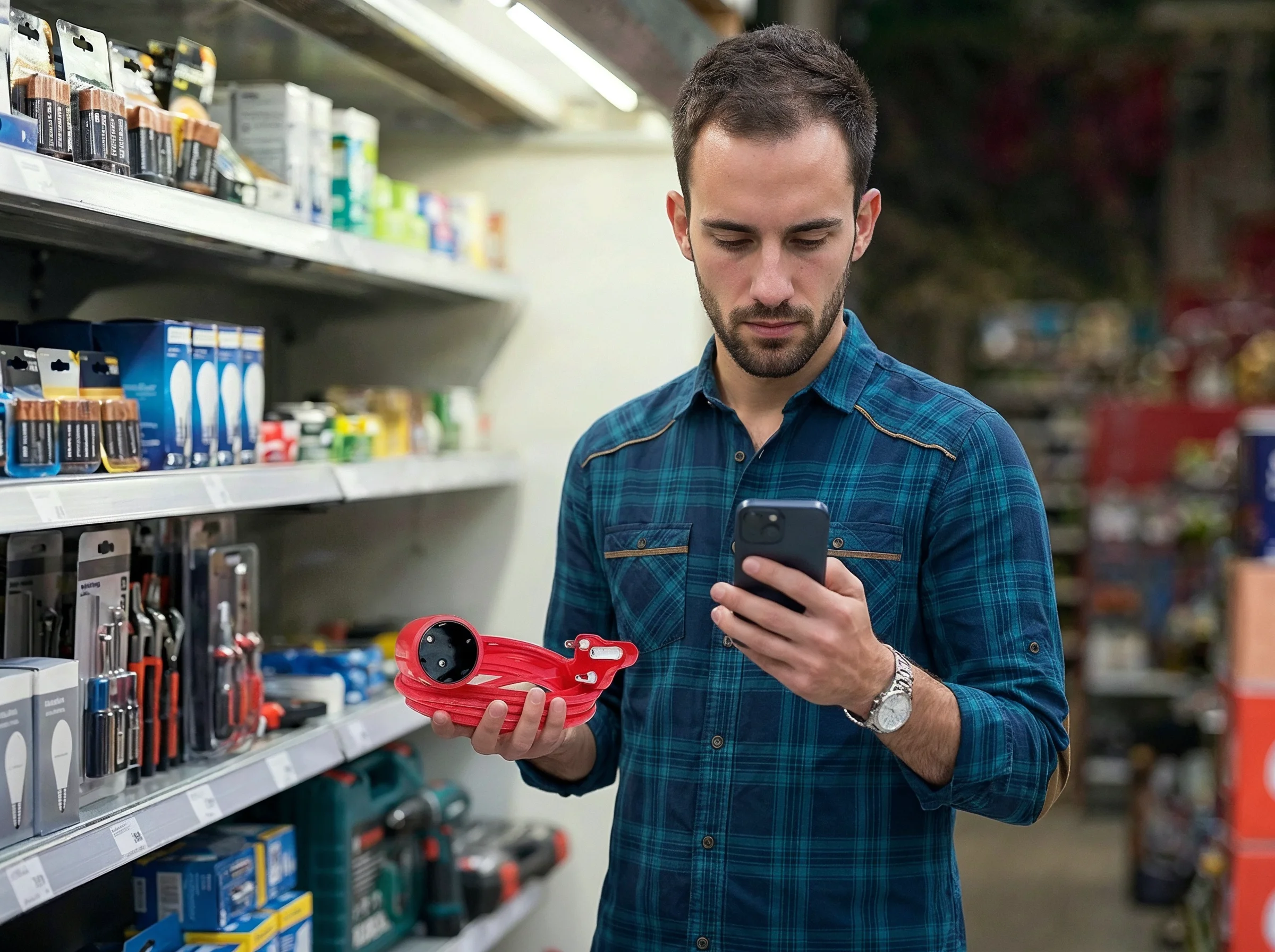
For example, a low-cost extension lead bought from an unverified seller may look identical to trusted brands, but internally it may use thin or illegal wiring and poor-quality connections.
In some cases, this includes copper clad aluminium (CCA) wiring, which is lighter and less effective than standard copper wiring. These shortcuts can lead to overheating, especially when powering high-energy appliances like heaters or kettles, increasing the risk of insulation melting or even starting a fire.
The Most Significant Myth:
“If It’s for Sale, It Must Be Compliant.”
Many consumers assume that products available in stores or online have already passed all necessary safety and compliance checks.
Oversight and enforcement are not always consistent. Some products enter the market without proper testing, while others may not meet the standards they claim to follow.
It’s important that consumers are able to make informed decisions when buying electrical products.
How to Check Electrical Product Compliance.
Check if the brand is clearly identifiable.
A reputable product should clearly show who made it and where it comes from. If there’s no brand, no supplier information, or no way to trace it back, that’s a risk.
Look for clear labelling and instructions.
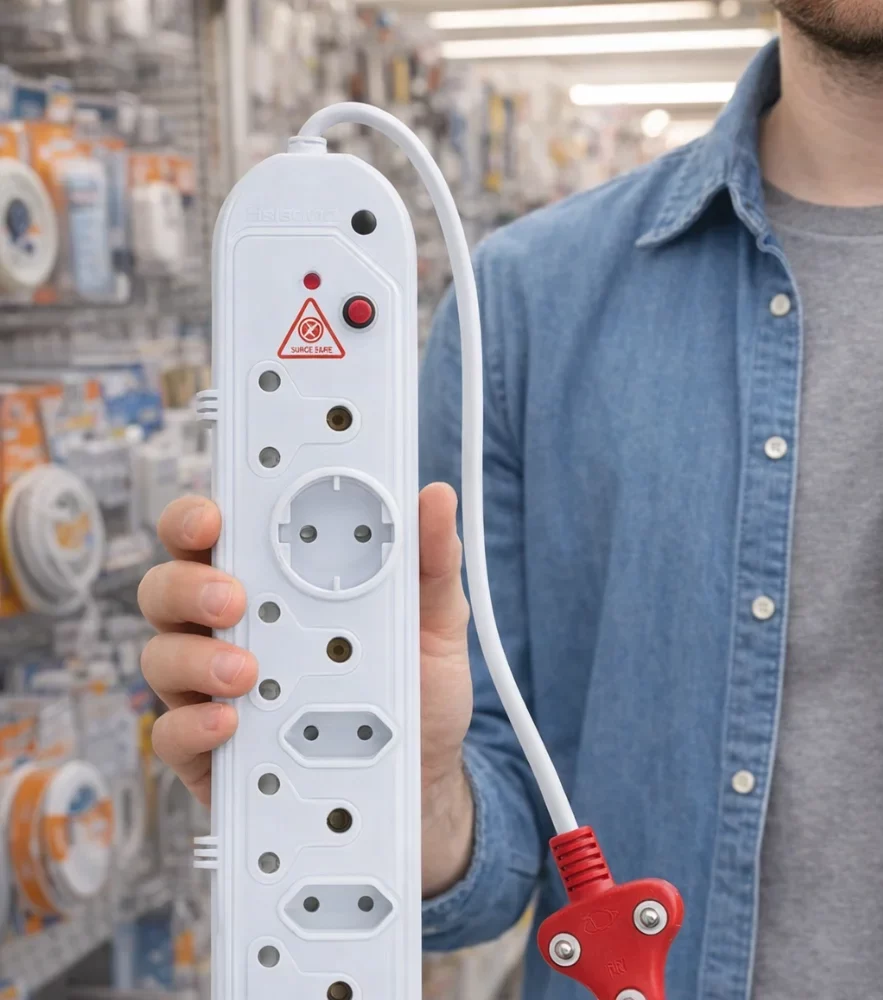
Well-made electrical products include proper markings, ratings, and instructions for safe use. Missing or unclear information can be a warning sign.
Pay attention to build quality.
Even without technical knowledge, you can often spot poor quality. Loose parts, flimsy materials, or unusually light components may indicate shortcuts in manufacturing.
Safehouse member brands are committed to compliance and product safety, with independent testing and full accountability behind what they sell.
Some products carry the Safehouse Mark as a clear, visible sign of this. Where the mark isn’t shown, you can still verify the brand in the Safehouse Member Directory.
If they’re a Safehouse member, you can choose their products with confidence.
Buying Safe Electrical Products
Online in South Africa.
Choosing products and brands that can prove compliance often means fewer replacements, less risk to other equipment, and greater peace of mind over time.
Compliance isn’t about choosing the most expensive option. It’s about choosing products that can stand behind their safety claims.
Electrical safety for DIY home projects.
Many South Africans take pride in maintaining and improving their homes by themselves. DIY projects can be rewarding and cost-effective.
However, electrical work is not always as simple as it seems.
Tasks like replacing light fittings, installing plugs, or upgrading appliances can introduce safety risks if done incorrectly or if unsuitable products are used. Always get a qualified professional to do more complex work.
Choose with Confidence
Most electrical products look the same, but not all of them meet the required safety and compliance standards in South Africa.
The good news is that you don’t need technical expertise to make better choices. A few simple checks, like paying attention to the brand and not assuming compliance, can help you avoid unnecessary risk.
Look for the Safehouse Mark where it’s visible. If it’s not, you can verify the brand in the Safehouse Member Directory.
If the brand is a Safehouse member, you can choose their products with confidence.
The Safehouse Mark is the highest electrical safety standards.
Members commit to random testing, self-regulation, and unwavering safety standards