Many South Africans unknowingly use illegal Schuko plugs every day, often believing that if an adapter fits, it must be safe. Some even modify or force European appliances into local sockets, bypassing safety rules and increasing the chance of electric shock, fire, or equipment damage.
This often happens when consumers purchase appliances from international websites and attempt to connect them using inexpensive adapters bought online.
Schuko Plug. |
Illegal removal of protection. |
No Earth to protect. |
Illegal removal of protection. |
No Earth to protect. |
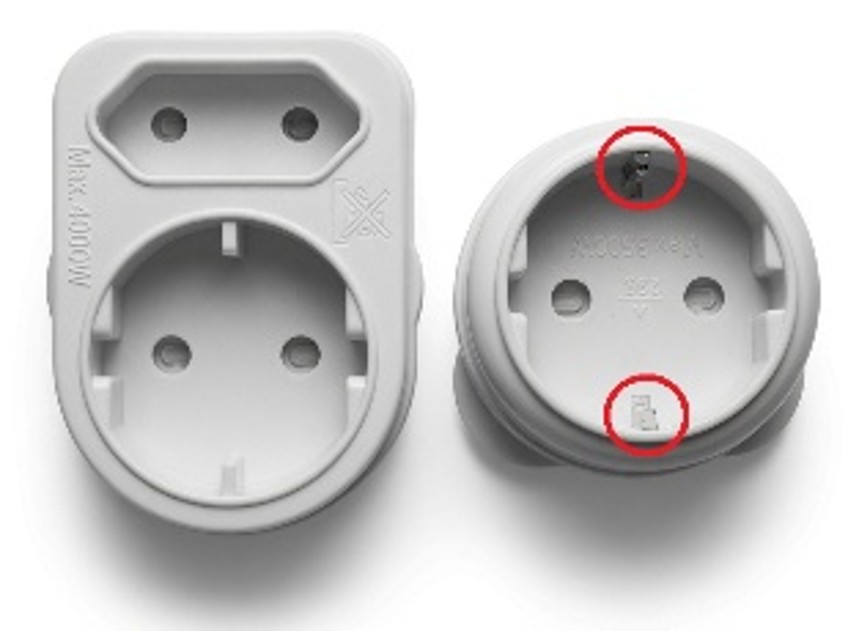
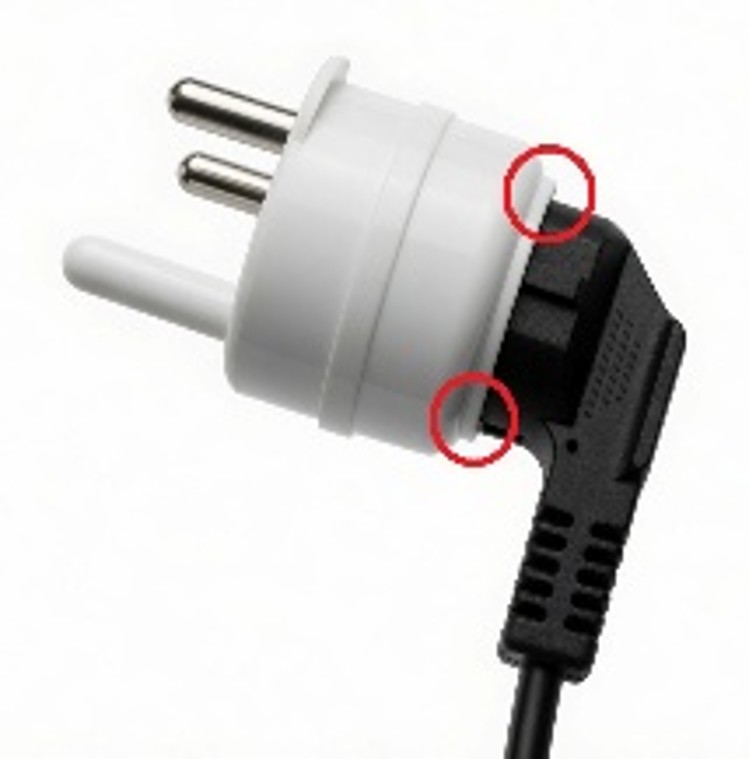
Understanding the Schuko Plug and Why South Africa Banned It
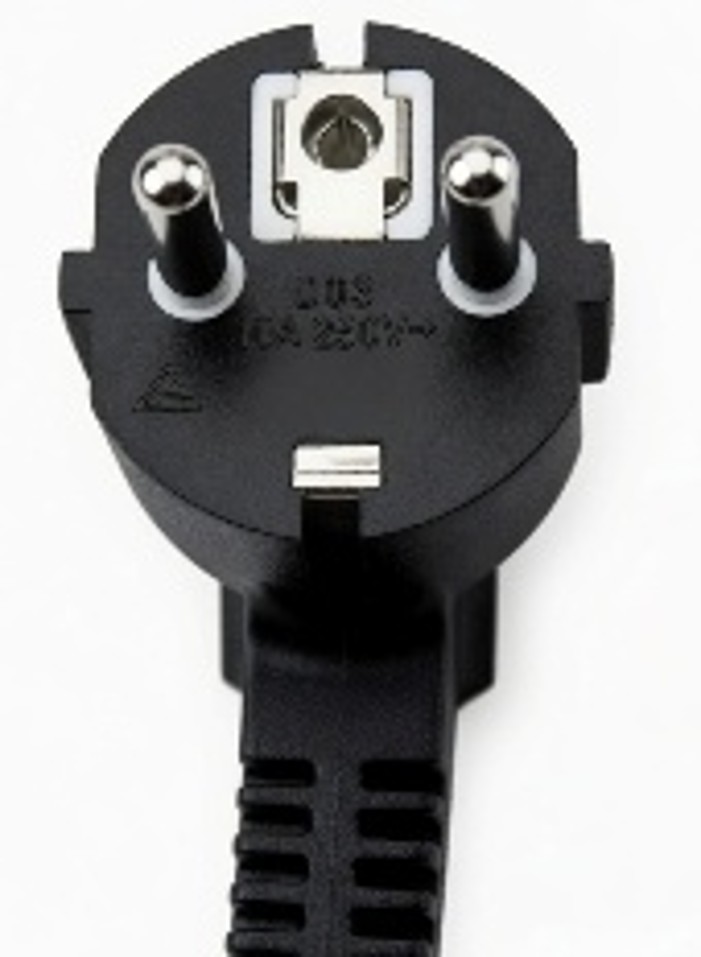
The Schuko plug (CEE 7/4, Type F) is Europe’s standard earthed plug with two round pins and side earth clips. South Africa banned earthed Schuko plugs, sockets, and adapters in 1999 under Compulsory Specification VC 8008, which was updated in 2010–2011.
The NRCS enforces the ban, and no registered electrician can issue a Certificate of Compliance (CoC) for installations that contain them.
Why Was the Schuko Plug Banned in South Africa?
Side-earth clips are unreliable under local conditions, including dust, humidity, and stress, and can fail to provide proper earthing. They risk bypassing earth leakage protection, turning the earth into a shock hazard. South African standards in the SANS 164 series require a dedicated earth pin for Class I appliances.
Correct and Incorrect Schuko Plug Configurations
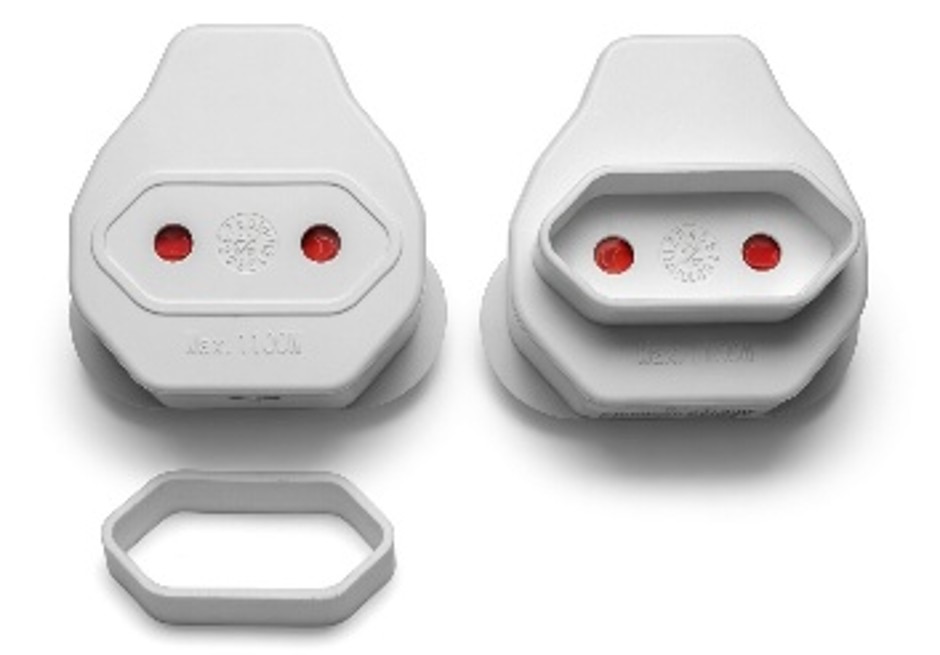
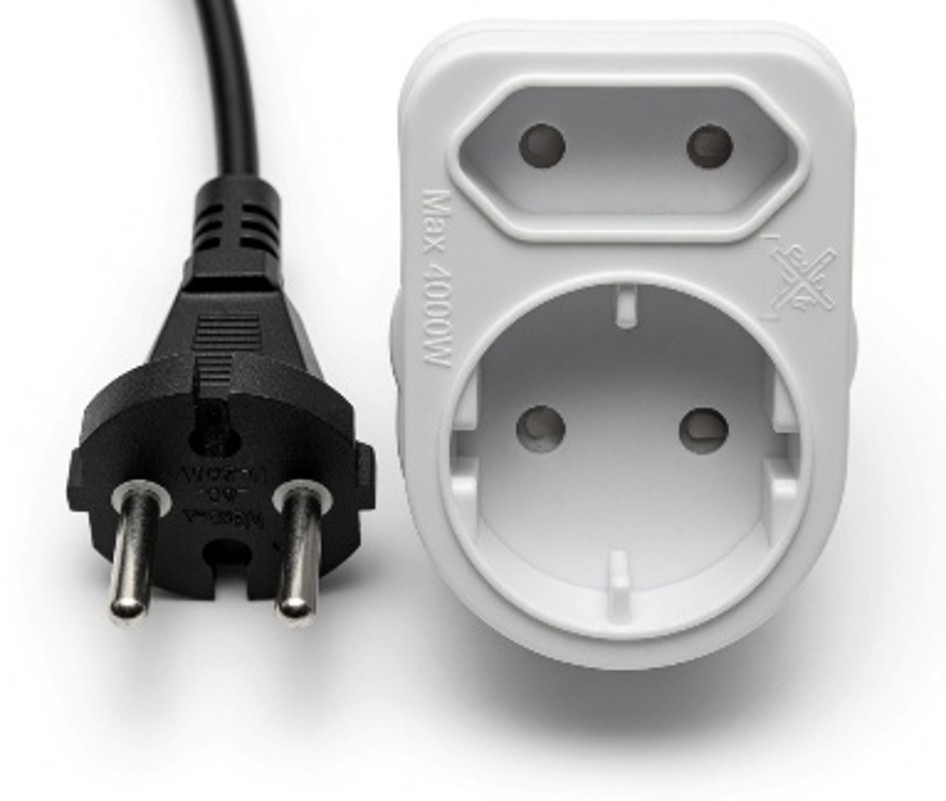
Example of a compliant adapter with two accepted plug versions for South Africa. |
Example of an earthed adapter and compliant plug. |
Example of a compliant double insulated plug adapter. |
Correct configuration. |
Correct configuration. |
Incorrect configuration. |
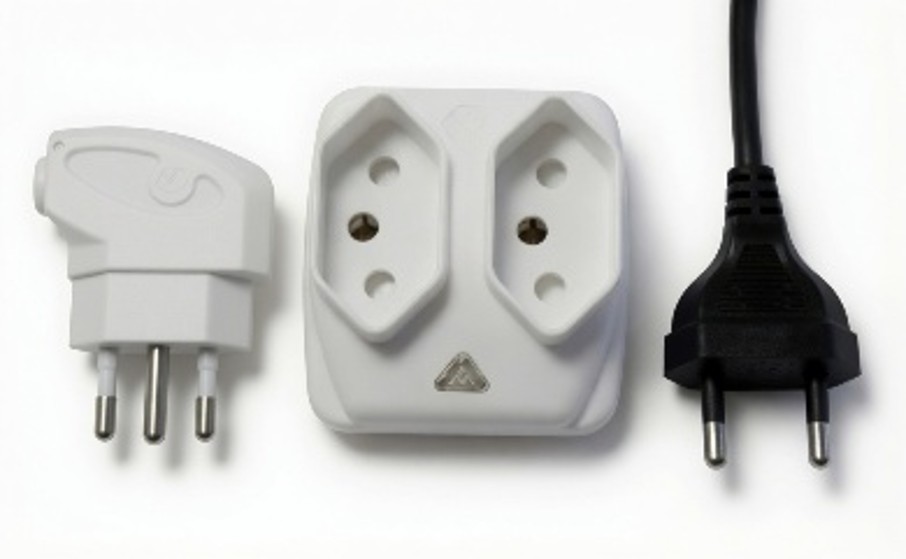
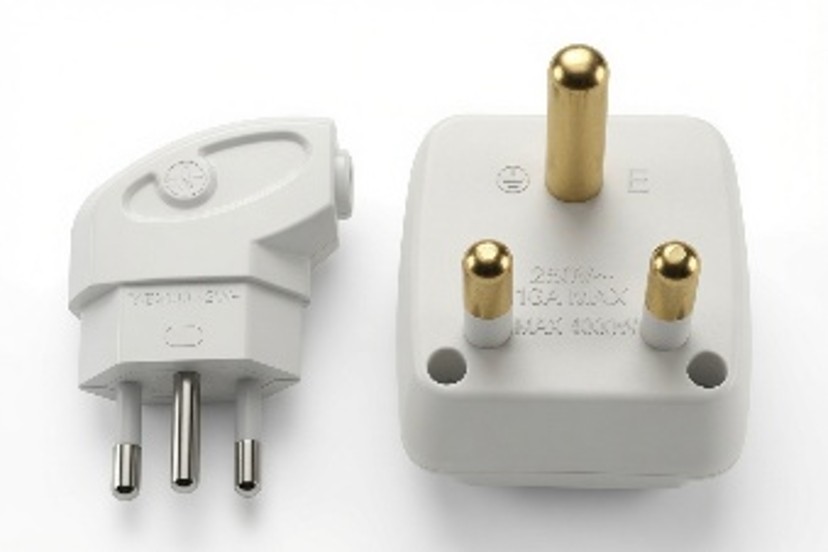
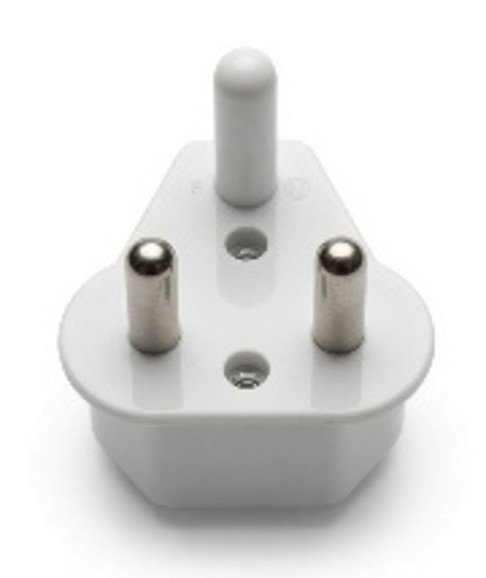
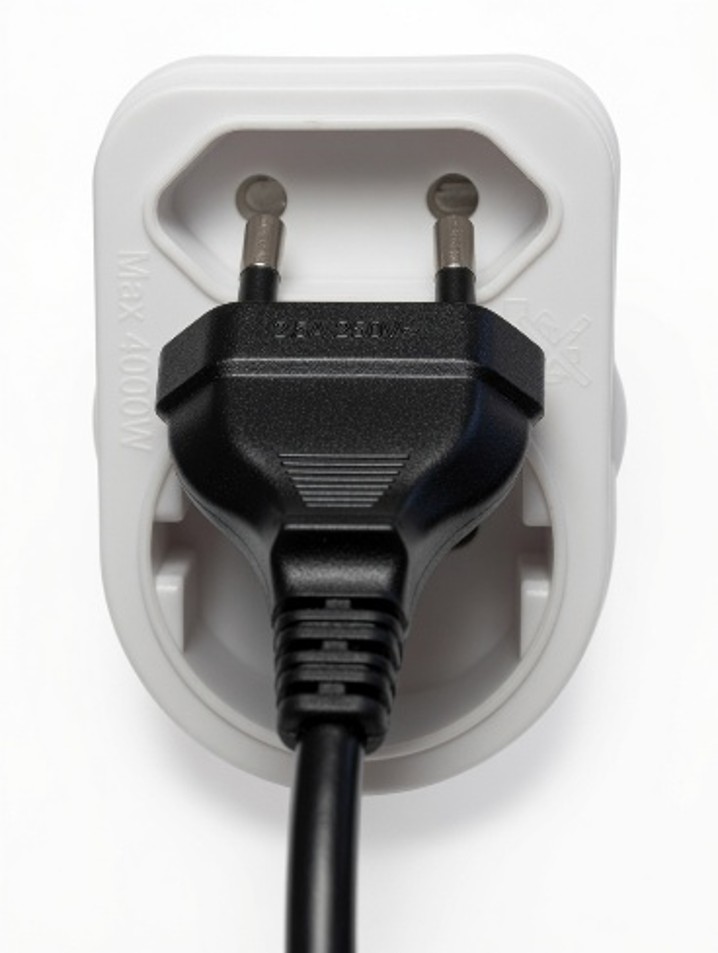
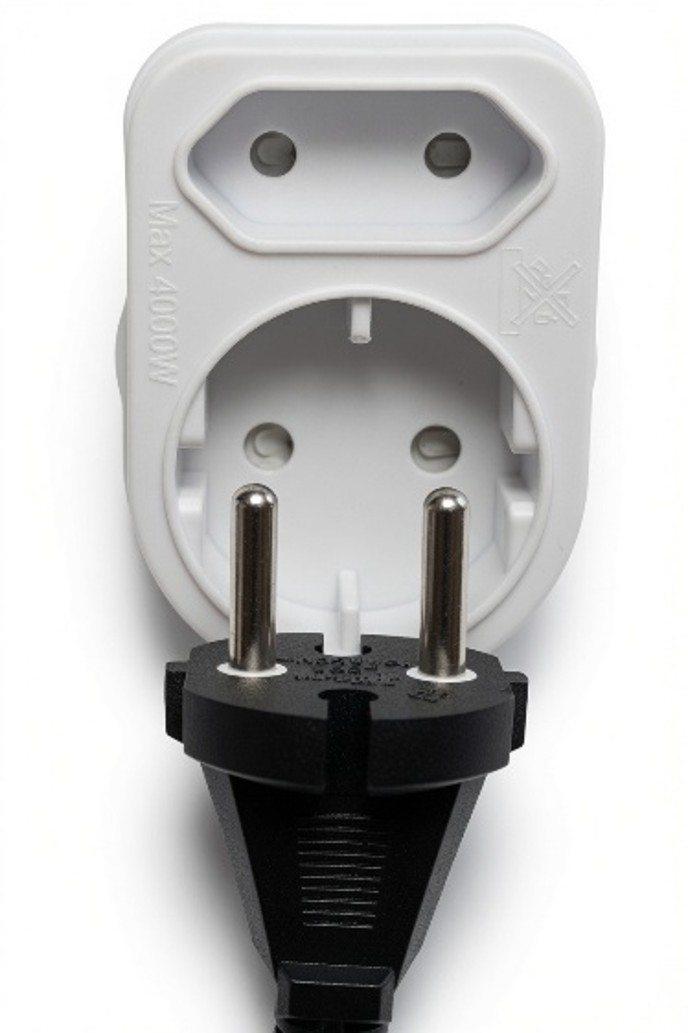
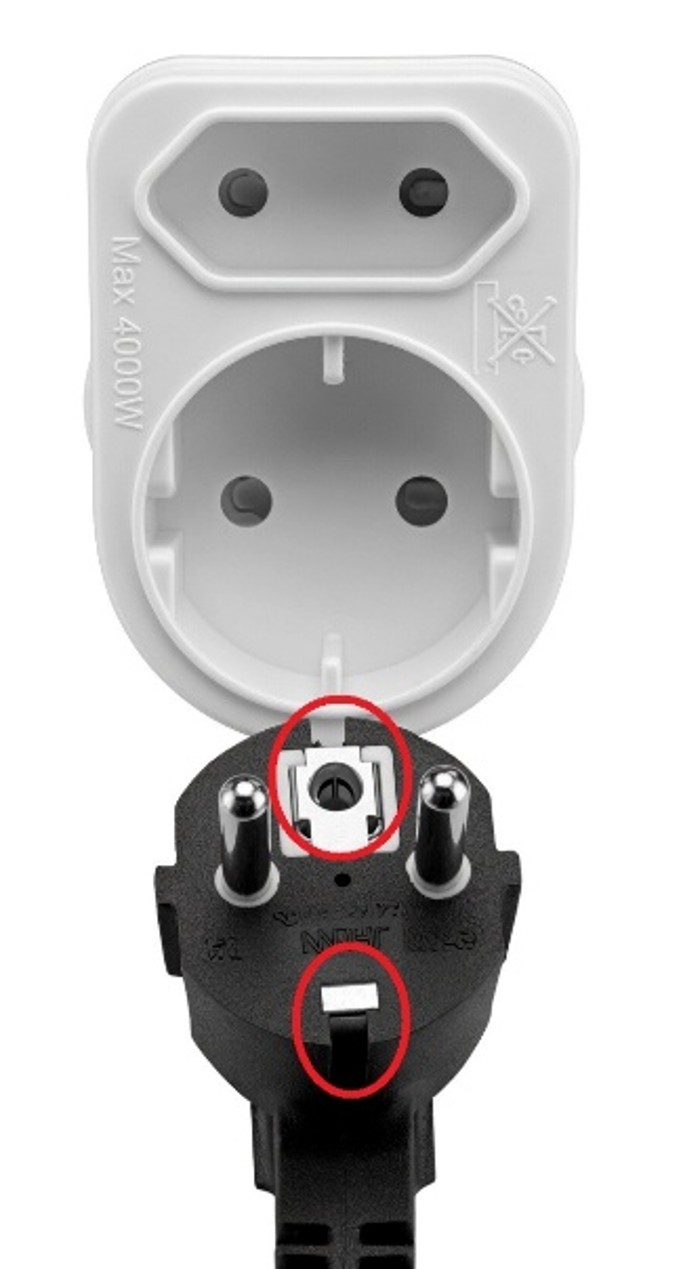
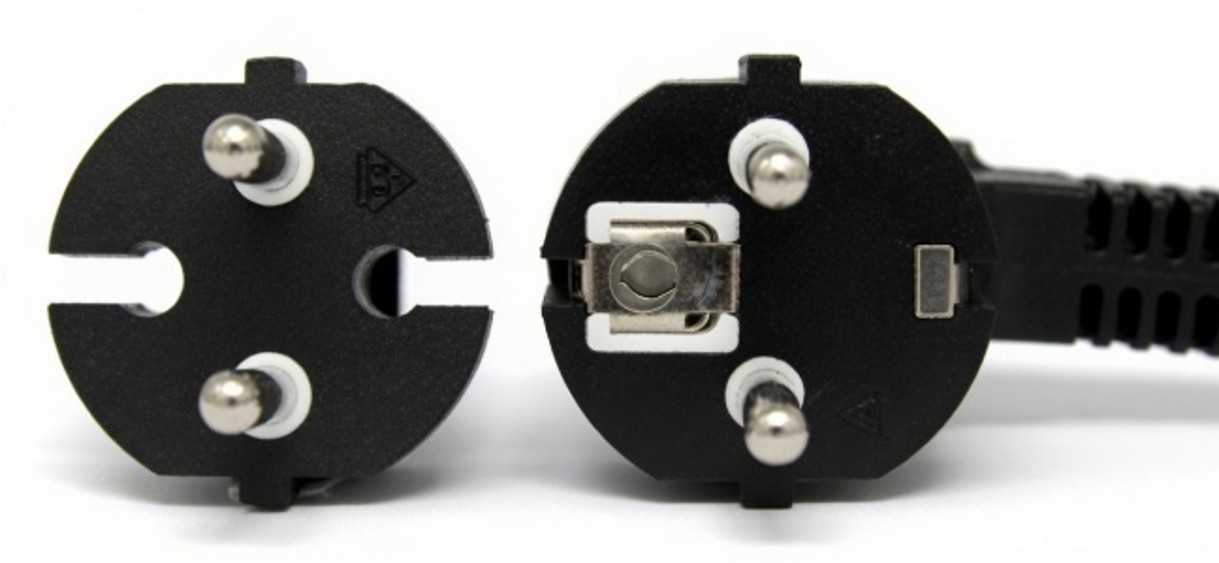
Unearthed two-pin Schuko-style plugs that comply with SANS 164-6 are permitted only for double-insulated Class II appliances such as chargers, power tools, and hairdryers. These must be used in compliant SANS 164-6 sockets or adapters.
Unearthed two-pin Schuko-style. |
Unearthed two-pin Schuko-style (left) and earthed Schuko plug (right). |
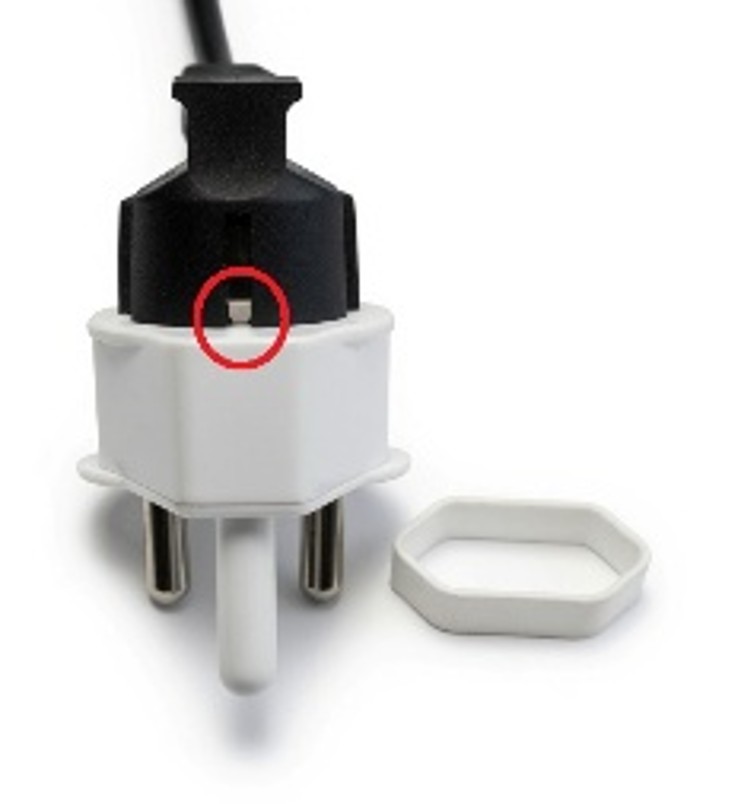
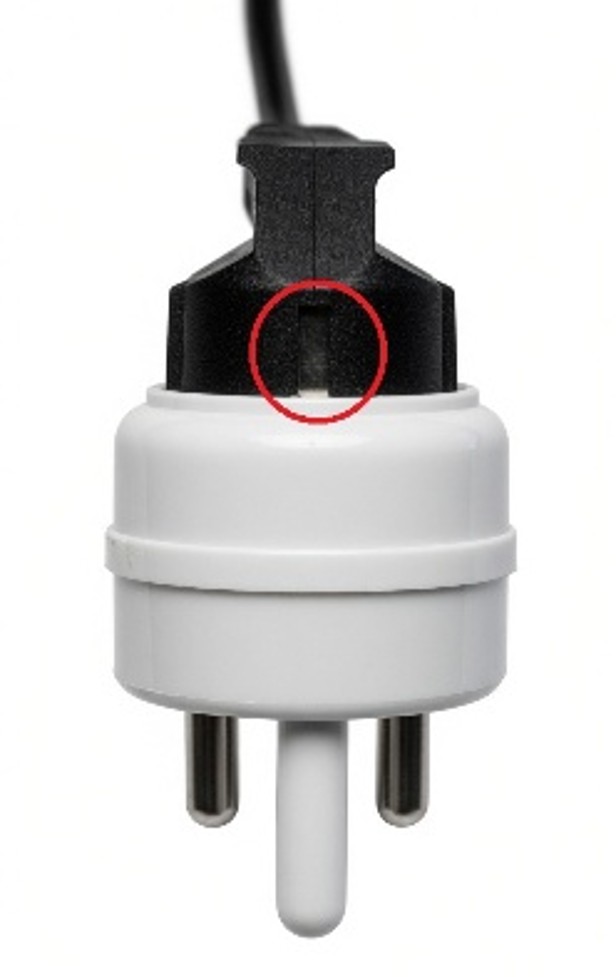
Illegal cutting of ribs to allow an earthed Schuko plug. |
The Problem with Illegal Schuko Plug Adapters
Adapters and multi-plugs with unearthed Schuko sockets are widely sold online and in stores, despite the regulations. Common issues include poor quality, loose connections, inadequate insulation, and misleading labelling. They often provide improper or no earthing.
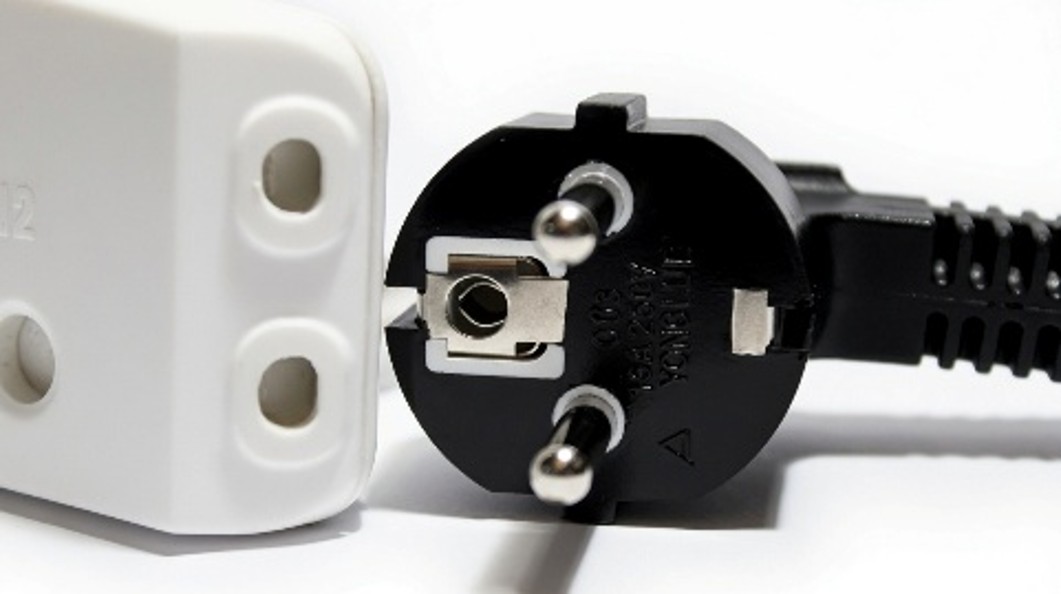 | 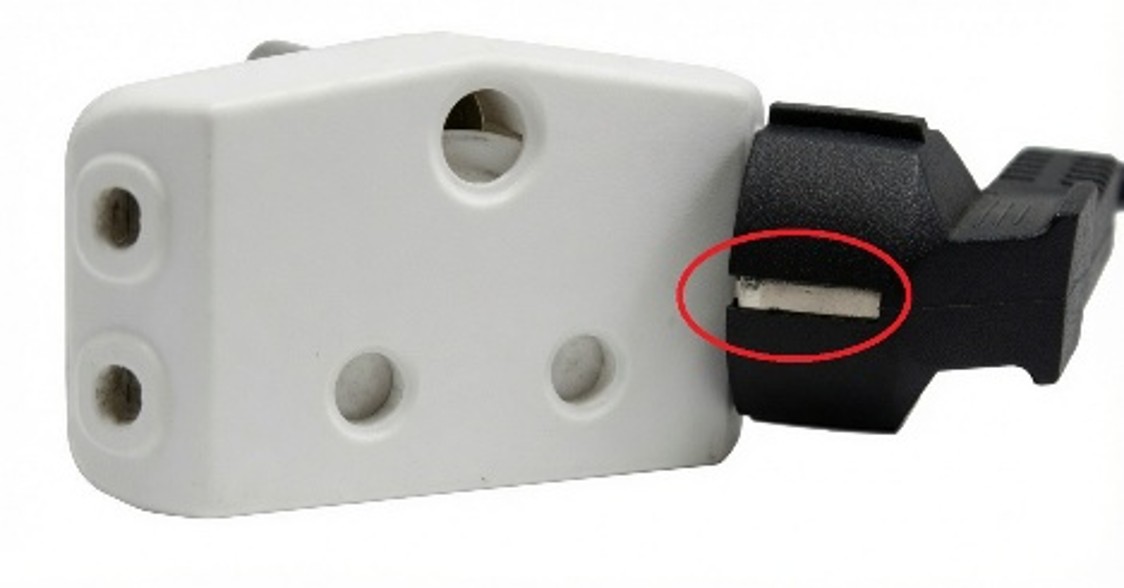 | 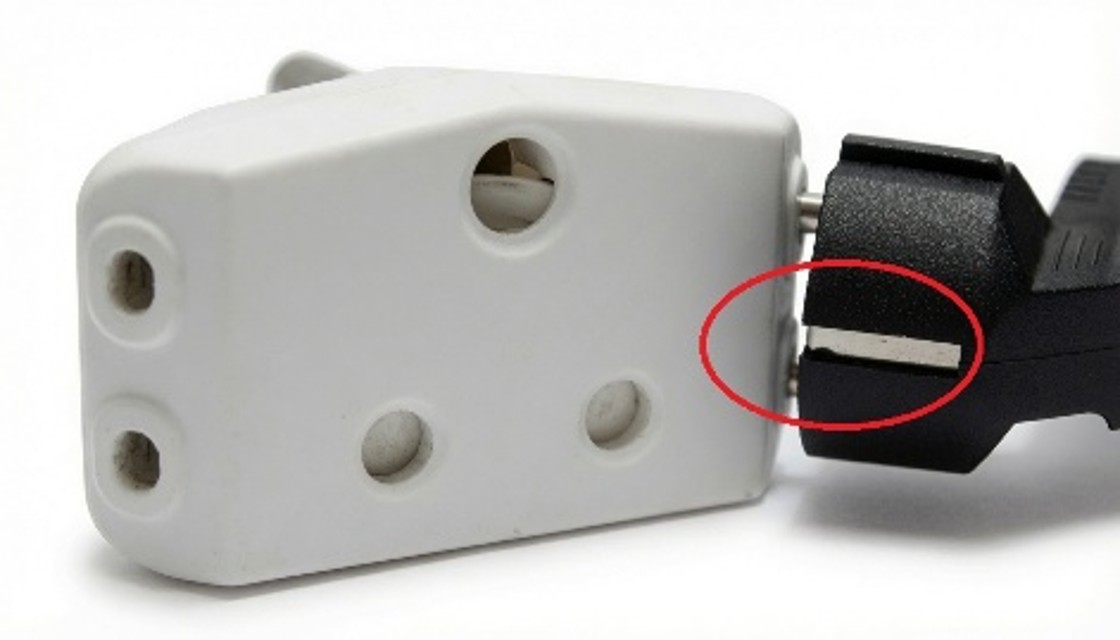 |
A Schuko plug inserted in an adapter with two-pin unearthed receptacles. | ||
The Dangerous DIY Fix: Modifying Electrical Plugs
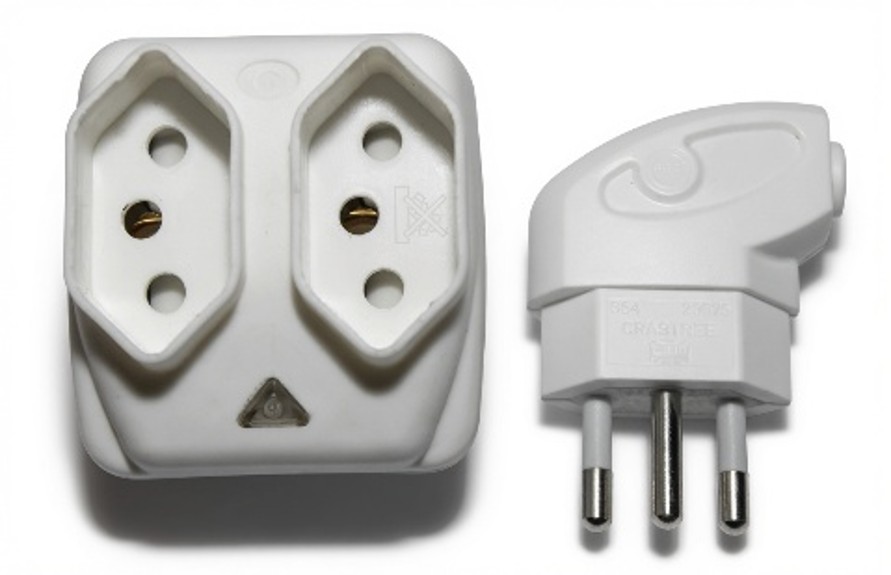
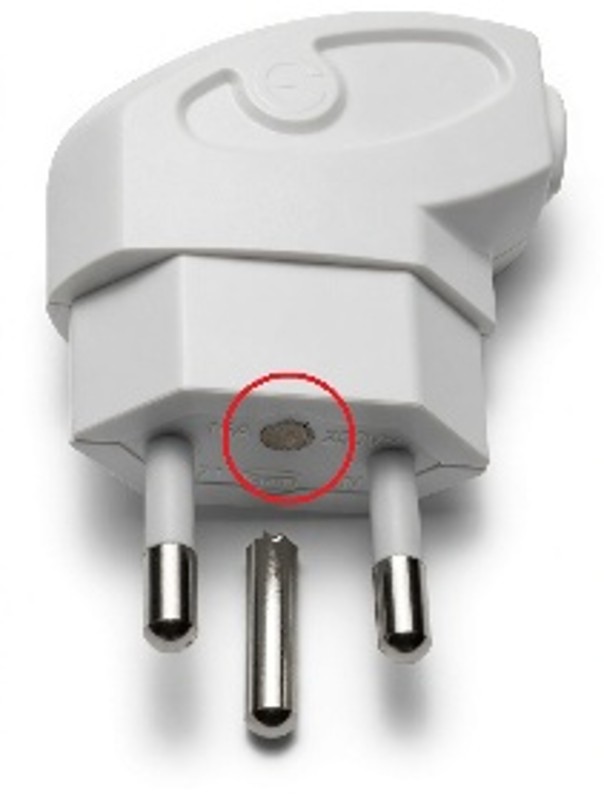
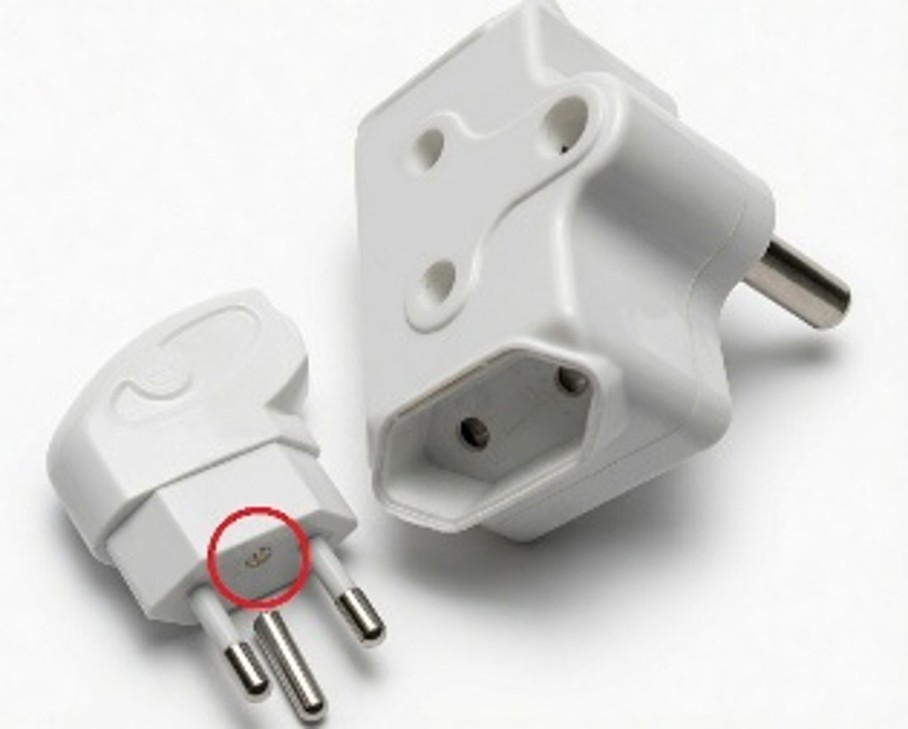
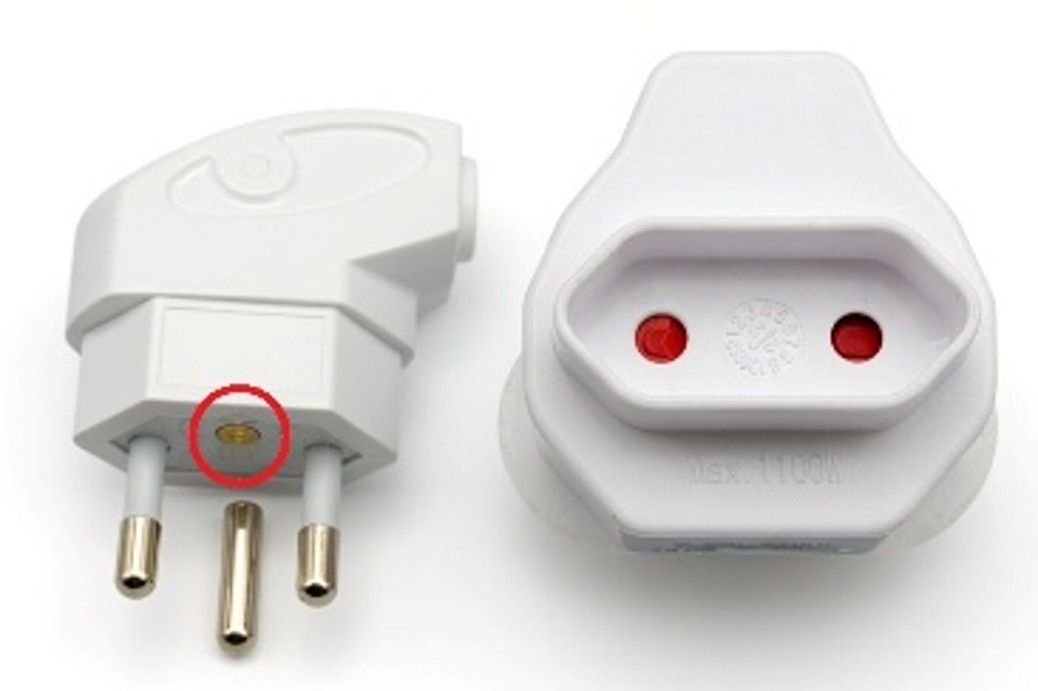
A common hazardous practice is cutting the earth pins of the SANS 164-2 plug to force them into approved adapters.
SANS 164-2 plug and adapter. |
Illegal removal of the earth pin. |
Illegal removal of the earth pin to fit into an adapter. |
Plug with its earth pin removed and adapter. |
Why Cutting Plug Protection Creates Electrical Risks
Illegal removal of protective shroud. |
Electric shock risk. |
Correct configurations. |
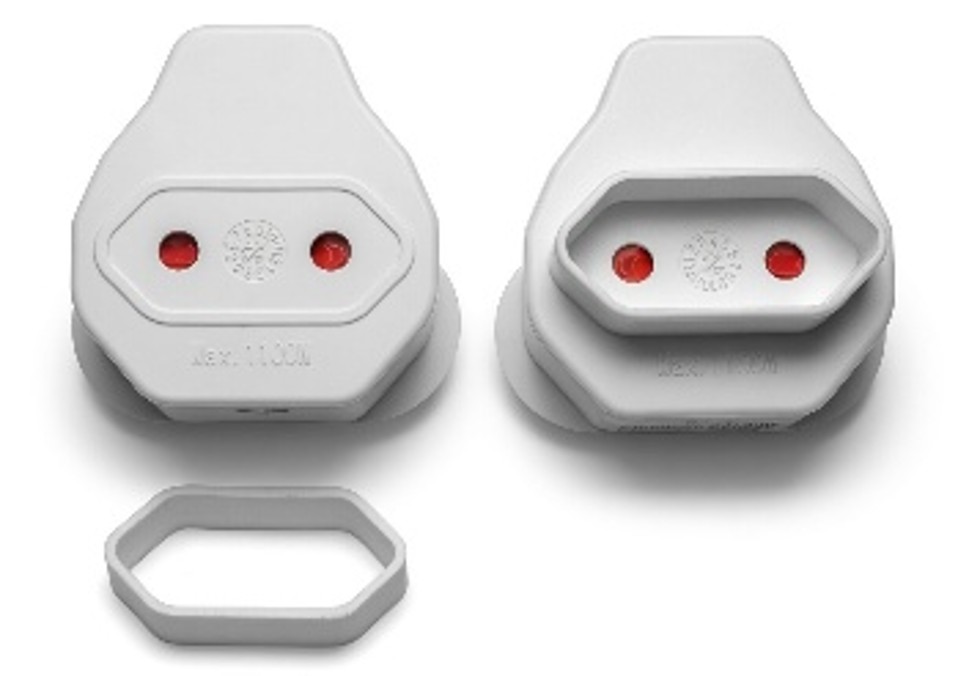
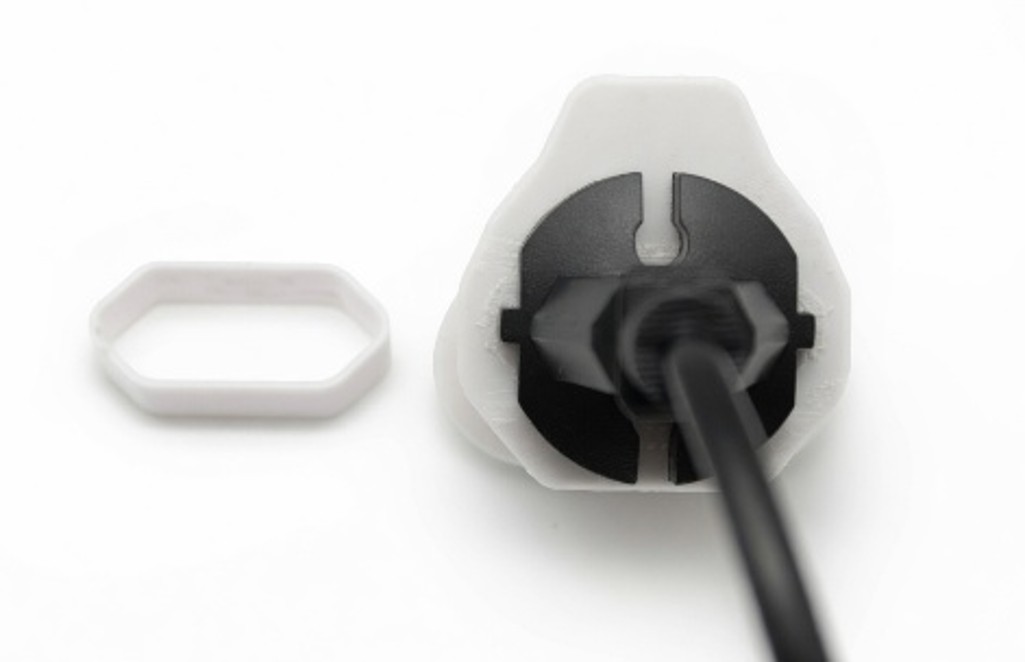
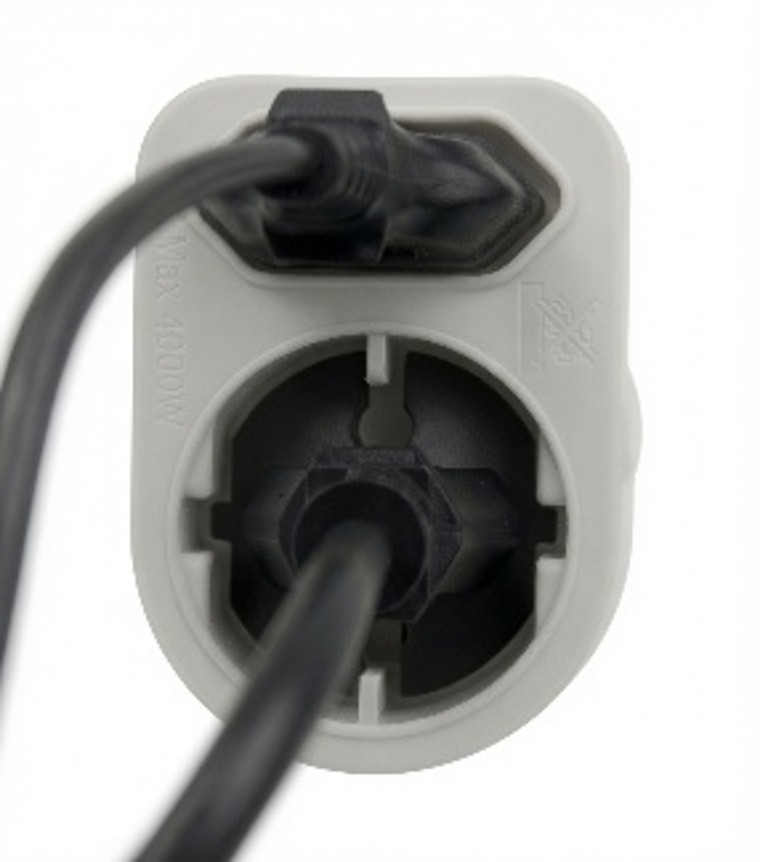
Exposed live pins increase the risk of electric shock, especially to children. Poor contact causes arcing, overheating, and fire. Modifications also reduce mechanical strength and void certifications and warranties.
Never modify plugs or adapters.
Old Versus New South African Plug Standards Explained
SANS 164-1 (Type M – Old Standard)
Large round three-pin plugs are still common but lack modern safety features such as recessed sockets and insulating sleeves.
SANS 164-2 (Type N / ZA Plug – New Standard)
The compact design has recessed, shuttered sockets and sleeved pins. It is the preferred standard for new installations and safely accepts legal Europlugs. Modern installations are required to combine both standards during the transition.
How Consumers Can Stay Safe and Compliant
- Avoid any plug with earthed Schuko side clips.
- Buy only compliant products with proper South African plugs.
- For imported appliances, use approved adapters or have a professional replace the plug.
- Specify SANS 164-2 sockets in new installations.
- Report illegal products to the NRCS or Safehouse.
Electrical Safety Starts with Compliance
- Illegal Schuko use and DIY modifications are preventable threats.
- Prioritise certified products, professional installation, and compliance with SANS 164-2.
- Electrical safety is essential.
- Always consult a qualified electrician.
Report Illegal Products to Safehouse
View a list of members with safe electrical products.
Stay informed and keep safe.
Contact Safehouse. Safehouse is a non-profit organisation that protects South African businesses and people from preventable harm caused by unsafe electrical products and services.
Frequently Asked Questions About the Illegal Schuko Plugs in South Africa