


Why Non-Compliant Electrical Products

Can Cost More Long-Term

When you’re standing in a store comparing electrical products, they often look identical. Two plugs. Two extension leads. Two adaptors. Same shape, same purpose, similar packaging.

In moments like this, it’s easy to assume what you can see on the outside tells you everything you need to know. With electrical products, what matters most is often invisible. The real question isn’t how a product looks or what it claims to do; it’s whether it can prove it meets safety standards.

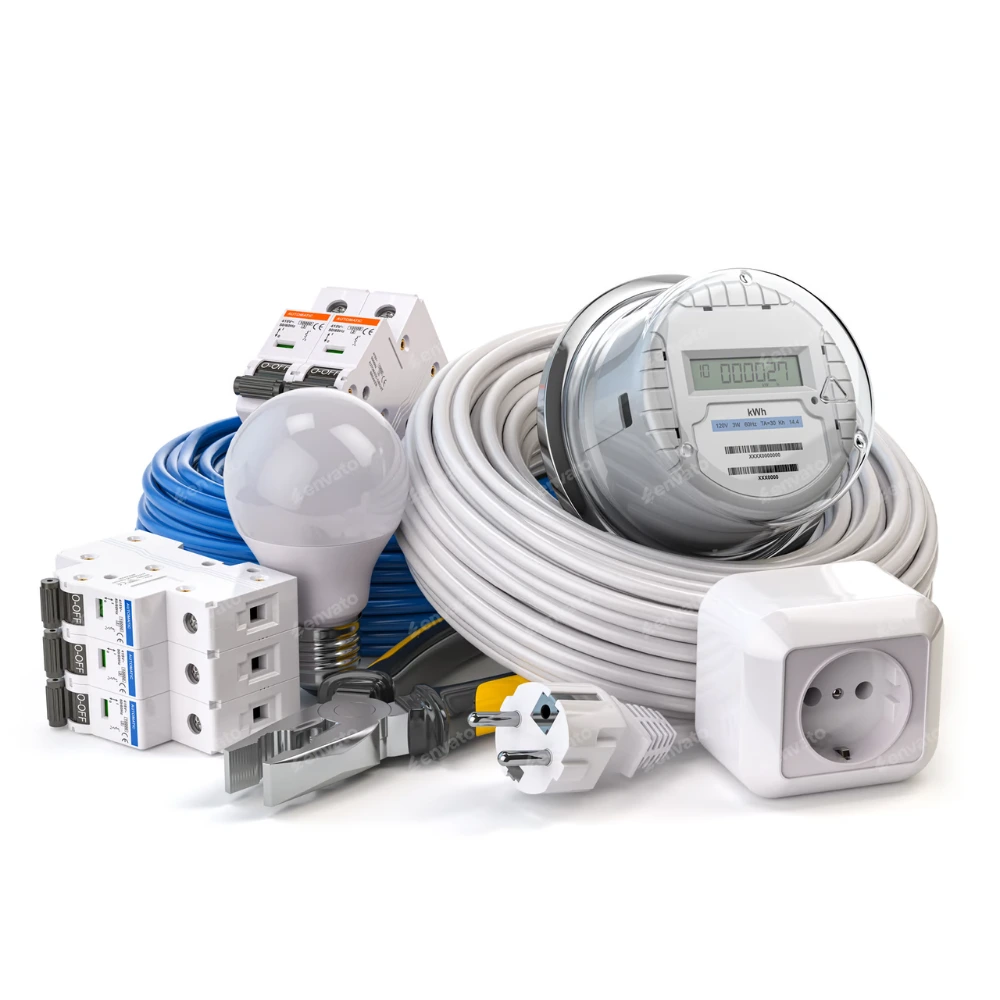
Non-compliant electrical products collection - kWh meter, MCBs, LED bulb, blue and white cable coils, plug and socket, pliers
Bright orange double lightning bolt S shaped logo thick rounded strokes on white background

What ‘non-compliant’ means

When people hear the word ‘compliance,’ it can sound technical or regulatory. In simple terms:

Manufacturers design and test compliant electrical products to meet required safety standards and perform under normal use and expected load.

A non-compliant product hasn’t met those standards or can’t prove that it has. The challenge for consumers is that non-compliant products don’t usually look unsafe. They can appear solid, have neat packaging, and are acceptable on the shelf. Without proof, it’s almost impossible to tell the difference.

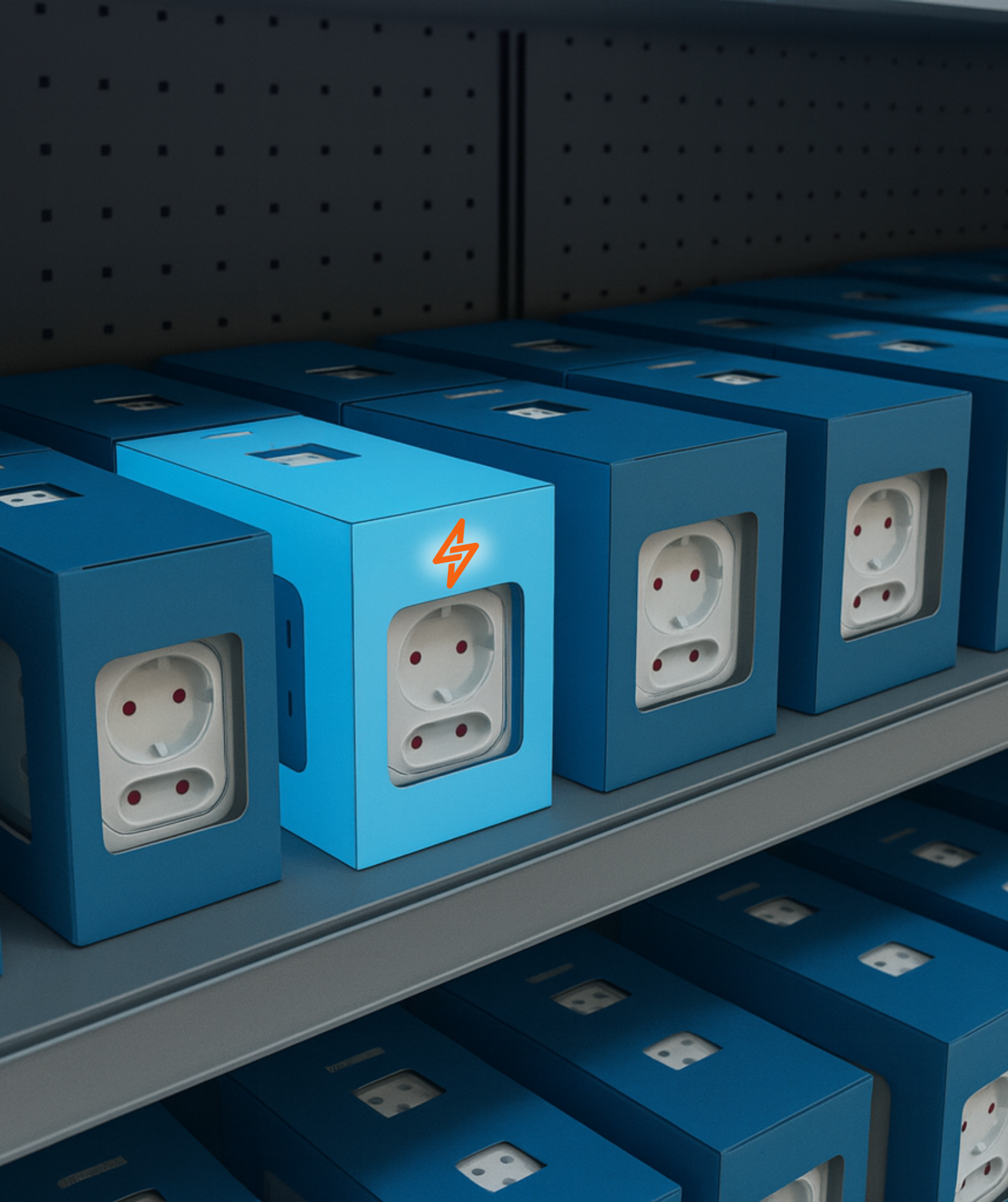
Close-up of blue socket boxes on shelf with light blue box glowing orange lightning bolt logo in center

The hidden long-term impact people don’t always consider

1. Shorter lifespan and repeated replacement

Products that are not designed or tested to meet safety standards often degrade faster. They may work when you buy them, but they fail sooner, or performance is inconsistent. Repeated replacement adds inconvenience and unnecessary expense.

2. Damage to other equipment

Faulty plugs, adaptors, or extension leads can place strain on appliances and electronics. Power instability, overheating, and uneven load can shorten the lifespan of connected devices, creating knock-on effects far beyond the original product.

4. No accountability when something fails

Many non-compliant products are difficult to trace back to a responsible manufacturer or supplier. When something goes wrong, there is often no clear accountability, support, or recourse. This leaves consumers to absorb the risk themselves.

3. Increased safety risks

This isn’t about alarmism; it’s about reality.

Electrical products that don’t meet safety standards are more likely to overheat, fail under load, or be unpredictable.

Products that aren’t designed or tested for real-world conditions often show warning signs such as melted plugs, unstable connections, frequent tripping, and overheating.

These issues don’t always appear immediately. They often develop over time, especially with repeated use or increased electrical strain. That’s why compliance matters long before something goes wrong.

Compliant vs Non-Compliant Electrical Products

Compliance Table
Feature Compliant Electrical Products Non-Compliant Electrical Products
Safety Testing Independently tested against required safety standards Not tested, inadequately tested, or unable to provide proof
Performance Under Load Designed to operate safely under normal and expected electrical strain May overheat, fail, or behave unpredictably under sustained load
Product Lifespan Built for durability and consistent long-term use Often degrades faster, leading to early failure
Risk to Other Equipment Stable power delivery helps protect connected devices Can cause power instability, overheating, or damage to appliances
Compliance Proof Verifiable documentation or recognised industry verification No credible proof or traceable certification
Accountability Clear manufacturer responsibility and traceability Limited or no accountability when something goes wrong
Suitability for SA Conditions Better suited for load shedding, inverters, and frequent use More likely to fail under South African usage conditions
Long-Term Cost Fewer replacements and lower risk over time Hidden costs from replacements, damage, and safety risks

This is why proof of compliance matters more than price or packaging.

Why it is important in South African homes

South African households place unique demands on electrical products. Load shedding, inverters, generators, extension leads, and adaptors are now part of everyday life. These products are used for longer periods and under higher strain than their original design intended. In this environment, the ability to prove compliance becomes even more important. Products that cannot prove they meet safety standards are far more likely to fail under pressure.

Buying smarter without becoming
an expert

Consumers shouldn’t have to become electrical specialists to buy a plug. The smarter approach is to look for proof, not promises. Safehouse plays an important role. Safehouse is an industry-led alliance focused on improving electrical safety in South Africa by supporting brands and manufacturers that commit to high compliance standards, ongoing verification, and accountability. Some Safehouse members display the Safehouse Mark on their product packaging. Others show compliance through verified Safehouse membership, even if the mark isn’t printed on the box yet.


Where’s the mark? matters. It shifts buying decisions away from assumptions and towards verified safety.


Learn more about what the Safehouse Mark represents and why it matters.


What is the Safehouse Mark?

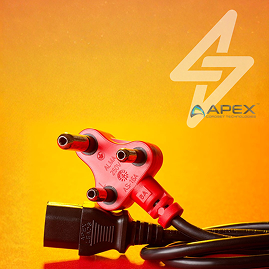
Red 3-pin South African plug with black IEC power cable coiled on orange yellow gradient with Apex bolt logo

The smarter long-term choice

Choosing products and brands that can prove compliance often means fewer replacements, less risk to other equipment, and greater peace of mind over time.

Compliance isn’t about choosing the most expensive option. It’s about choosing products that can stand behind their safety claims.

What Matters

Non-compliant electrical products aren’t defined by how they look or what they promise. They’re defined by the absence of proof.

That’s why the most important question isn’t “Which one looks better?” or “Which one is cheaper?” It’s “Which one can prove it’s safe?” And “Where’s the Mark?

What You Need To Know

FAQs


Electrical compliance isn’t always visible on the packaging. The safest option is to choose products from brands that can prove compliance through recognised safety standards or verified membership with trusted industry bodies such as Safehouse.

Yes. Electrical products sold in South Africa must meet compulsory safety specifications. Yet not all products on the market are compliant, which is why checking for proof of compliance is important.

No. Price is not a reliable indicator of safety. Both affordable and premium products can be compliant or non-compliant. What matters is whether the product or brand can show compliance and accountability.

Safer homes start with informed choices. Safehouse exists to make electrical compliance visible, verifiable, and trustworthy.

The next time you buy electrical products, don’t only look at the price. Look for proof.

Safehouse logo with bright orange double lightning bolt S icon and white Safehouse text with grey The power to protect tagline on white

The Safehouse Mark is the highest electrical safety standards.
Members commit to random testing, self-regulation, and unwavering safety standards