Why This Should Concern Every South African
Unsafe electrical products are not just cheap knock-offs. They can cause serious harm. Many non-compliant products are unable to safely handle South African electrical loads and conditions, increasing the risk of:- Electrical fires
- Electric shock and electrocution
- Overheating and melting
- Appliance damage
- Power failures
Unsafe Products Are Often Hiding in Plain Sight
One of the biggest problems facing consumers is that unsafe products often look legitimate. Many illicit traders operate using fake business addresses while importing or assembling products from undisclosed sources. Cheap products sold online, through informal traders, or via unverified sellers may appear normal at first glance while hiding serious safety risks underneath. Even compliance documentation is being abused. Letters of Authority (LoAs), intended to confirm product compliance, are increasingly being used to promote products that are completely different from the products originally approved. When sellers avoid sharing valid compliance documentation or provide vague excuses, consumers should see this as a major warning sign. The consequences are already being felt across South Africa. Circuit breakers fail to trip. Extension cords melt under normal use. Light fittings overheat and ignite. And consumers are often left unaware of the danger until something goes wrong.What Consumers Should Look Out For
Price alone should never determine whether an electrical product is safe. Unsafe products are often designed to look convincing, which means consumers need to pay closer attention to warning signs when shopping.General Red Flags
Be cautious of products that:- Have no clear manufacturer or importer details
- Have poor packaging or broken English instructions
- Are sold at unusually cheap prices
- Are sold through informal markets or unverified online sellers
- Only display a “CE” mark with no South African compliance information
Adaptors
Unsafe adaptors are one of the most common electrical risks in homes. Before buying an adaptor:- Make sure it feels solid and properly built
- Avoid products with cracks, loose parts, or flimsy plastic
- Ensure there is proper insulation
- Check that markings and ratings are clearly printed on the product, including the manufacturer’s name or trademark, model number, voltage and current ratings, and compliance with relevant South African National Standards, such as SANS 164
- Buy from reputable retailers wherever possible
Extension Cords, Multiplugs & Power Strips
Extension cords and multiplugs are often treated as harmless household items, but poor-quality versions can be extremely dangerous. Look out for:- Lightweight, flimsy products
- Loose plugs or poorly fitting sockets
- Thin or poorly insulated cables
- Products that become hot during use
- Clear 250V ~ 10A or 16A rating
Pro Tip: Check What’s Inside the Cable
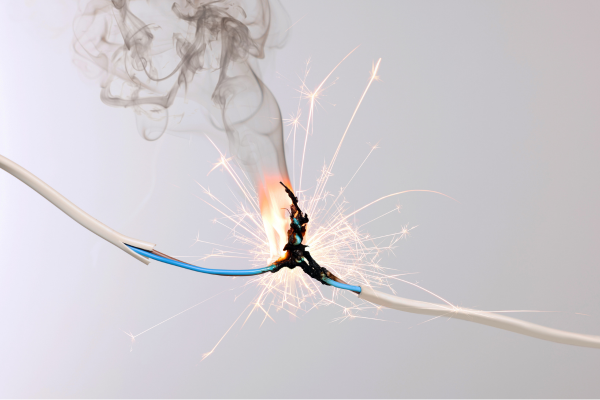
Some cheap extension cords use lower-quality materials that can overheat far more easily than genuine copper wiring. One quick indicator is a simple flame test. When exposed to a lighter flame, genuine copper conductors usually darken or change colour slightly. Unsafe Copper Clad Aluminium (CCA) conductors, on the other hand, often burn, spark, or frizzle. While this test is more commonly used by retailers and procurement teams, it’s a powerful reminder that not all extension cords are built the same, even if they look similar on the shelf.
Circuit Breakers
Circuit breakers are one of the most important safety devices in your home. They’re designed to cut power during electrical faults and help prevent fires, shocks, and serious damage. Be cautious of circuit breakers that:- Feel loose, flimsy, or poorly made
- Have blurry, faded, or poorly printed markings
- Appear unbranded or suspiciously cheap
Light Fittings & LEDs
When buying light fittings, floodlights, LEDs, or bulkheads:- Avoid thin, flimsy plastic fittings
- Check for solid construction
- Be cautious of fittings that overheat quickly
- Purchase from reputable suppliers wherever possible
Household Appliances
Appliances like kettles, irons, heaters, and stoves should never feel dangerously hot during normal use. Consumers should look for:- Clear safety warnings
- Solid construction
- Good insulation
- Reliable retailer support and warranties
Fridges & Freezers
Fridges and freezers should not only feel well-built, but should also display proper energy efficiency and compliance labelling. Consumers should look for:- Energy efficiency labels clearly displayed on the appliance
- Proper seals and stable temperature performance
- Solid construction and quality finishes
- Products that do not become excessively hot during operation
What Consumers Should Look Out For
Price alone should never determine whether an electrical product is safe.
Unsafe products are often designed to look convincing, which means consumers need to pay closer attention to warning signs when shopping.
General Red Flags
Be cautious of products that:
- Have no clear manufacturer or importer details
- Have poor packaging or broken English instructions
- Are sold at unusually cheap prices
- Are sold through informal markets or unverified online sellers
- Only display a “CE” mark with no South African compliance information
The “CE” mark alone is not enough to confirm compliance in South Africa and may itself be falsified.
Adaptors
Unsafe adaptors are one of the most common electrical risks in homes.
Before buying an adaptor:
- Make sure it feels solid and properly built
- Avoid products with cracks, loose parts, or flimsy plastic
- Ensure there is proper insulation
- Check that markings and ratings are clearly printed on the product, including the manufacturer’s name or trademark, model number, voltage and current ratings, and compliance with relevant South African National Standards, such as SANS 164
- Buy from reputable retailers wherever possible
Ensure this symbol is on the product:
Cheap, poorly made adaptors can overheat, melt, or create serious fire and shock hazards.
Extension Cords, Multiplugs & Power Strips
Extension cords and multiplugs are often treated as harmless household items, but poor-quality versions can be extremely dangerous.
Look out for:
- Lightweight, flimsy products
- Loose plugs or poorly fitting sockets
- Thin or poorly insulated cables
- Products that become hot during use
- Clear 250V ~ 10A or 16A rating
Heavier extension cords are often a better sign, as genuine copper conductors weigh more than unsafe copper-clad aluminium alternatives.
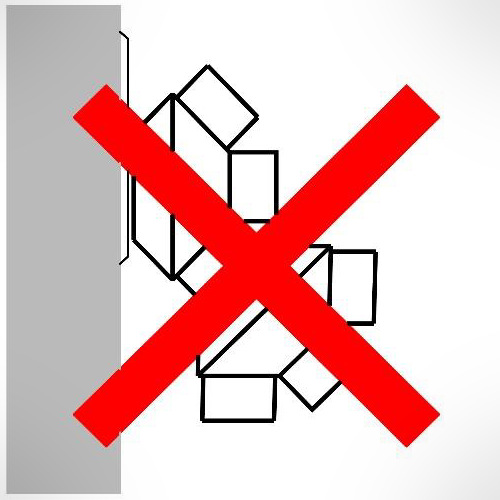
Consumers should also avoid overloading multiplugs or connecting extension cords into one another, commonly known as daisy-chaining.
Pro Tip: Check What’s Inside the Cable
Some cheap extension cords use lower-quality materials that can overheat far more easily than genuine copper wiring.
One quick indicator is a simple flame test. When exposed to a lighter flame, genuine copper conductors usually darken or change colour slightly. Unsafe Copper Clad Aluminium (CCA) conductors, on the other hand, often burn, spark, or frizzle.
While this test is more commonly used by retailers and procurement teams, it’s a powerful reminder that not all extension cords are built the same, even if they look similar on the shelf.
Bottom wire: Compliant copper.
Top wire: Non-compliant CCA wire after 13 seconds flame test.
Bottom wire: Compliant copper wire after 21 seconds flame test.
Circuit Breakers
Circuit breakers are one of the most important safety devices in your home. They’re designed to cut power during electrical faults and help prevent fires, shocks, and serious damage.
Be cautious of circuit breakers that:
- Feel loose, flimsy, or poorly made
- Have blurry, faded, or poorly printed markings
- Appear unbranded or suspiciously cheap
Where possible, look for SANS 556-1 / VC 8036 markings.
Poor-quality circuit breakers may fail to trip during overloads or short circuits, putting your home and family at serious risk.
Light Fittings & LEDs
When buying light fittings, floodlights, LEDs, or bulkheads:
- Avoid thin, flimsy plastic fittings
- Check for solid construction
- Be cautious of fittings that overheat quickly
- Purchase from reputable suppliers wherever possible
Poor-quality light fittings can overheat and become fire hazards over time.
Household Appliances
Appliances like kettles, irons, heaters, and stoves should never feel dangerously hot during normal use.
Consumers should look for:
- Clear safety warnings
- Solid construction
- Good insulation
- Reliable retailer support and warranties
Cheap appliances may save money upfront but can pose major long-term safety risks.
Fridges & Freezers
Fridges and freezers should not only feel well-built, but should also display proper energy efficiency and compliance labelling.
Consumers should look for:
- Energy efficiency labels clearly displayed on the appliance
- Proper seals and stable temperature performance
- Solid construction and quality finishes
- Products that do not become excessively hot during operation
Cheap imported units often lack proper safety and energy compliance, increasing the risk of electrical faults, poor performance, higher electricity usage, and shortened product lifespan.
If key labels or compliance information are missing, treat it as a warning sign.